Ben Butler · 11 September 2026
Eastern Europe's Energy Transitions Amid Shifting Global Trade Networks
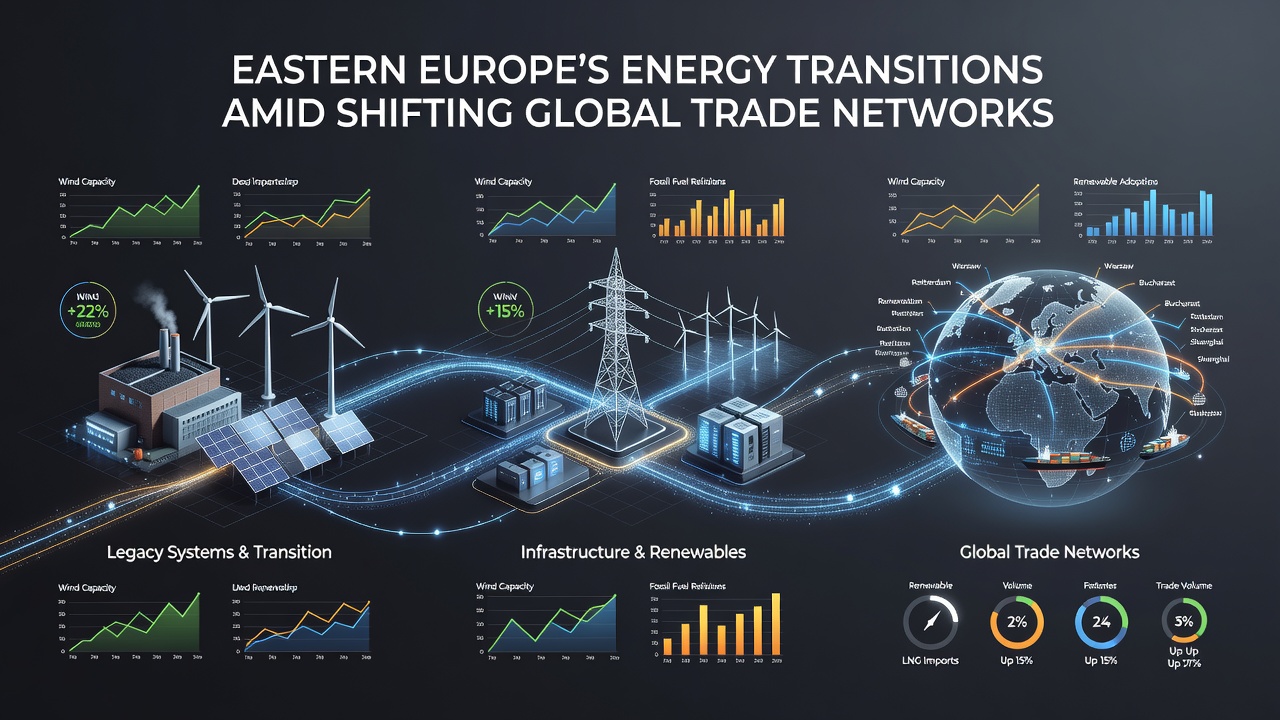
Countries across Eastern Europe continue to reshape their energy systems as global trade patterns evolve and traditional supply routes face new pressures, with data from September 2026 highlighting accelerated investments in renewables alongside adjustments in natural gas imports from diverse sources.
Poland and Romania stand out among nations pursuing rapid expansion of wind and solar capacity while simultaneously developing interconnections with neighboring grids to balance intermittent generation; researchers at the International Energy Agency note that these shifts align with broader efforts to reduce reliance on single suppliers and adapt to fluctuating commodity prices driven by international agreements.
Policy Frameworks Driving Change
The European Union's revised energy directives have set binding targets that member states in the region must meet by 2030, prompting governments to revise national plans and allocate funds from recovery packages toward grid modernization; according to figures released by the European Commission, Eastern European nations have directed substantial portions of these resources into cross-border electricity projects that facilitate trade in clean power.
Observers point out that trade networks themselves are transforming, as new partnerships emerge with suppliers in North Africa and the Middle East for liquefied natural gas while existing pipelines undergo repurposing or phased reductions in volume.
Impact of Global Trade Shifts
Shifting alliances in international commerce have influenced energy pricing and availability, leading countries such as Hungary and Bulgaria to diversify their import portfolios and negotiate long-term contracts with multiple exporters; studies from the U.S. Energy Information Administration reveal that these strategies have helped stabilize domestic markets even as geopolitical tensions affect shipping lanes and tariff structures.
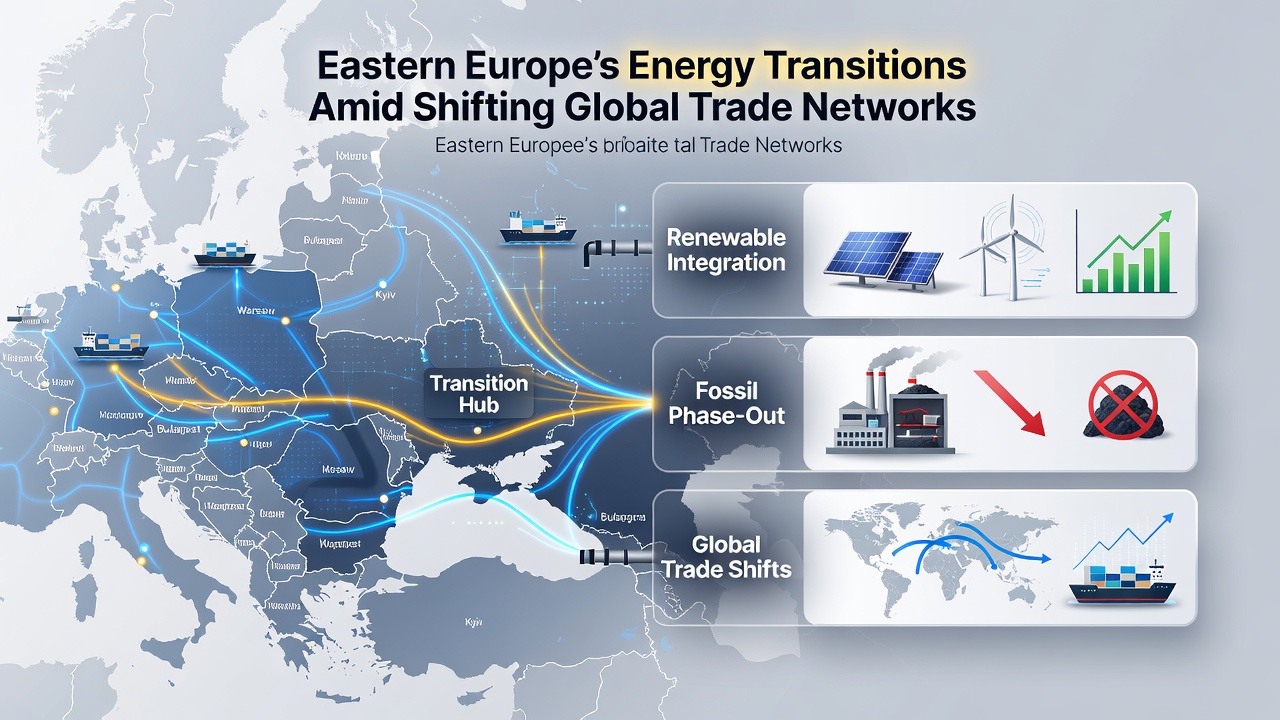
Local industries have responded by investing in energy efficiency measures and on-site generation, which in turn supports export competitiveness in sectors like manufacturing and agriculture that depend on predictable power costs; data indicates that firms adopting these approaches have maintained output levels despite broader market volatility.
Country-Specific Developments
In the Baltic states, Estonia, Latvia, and Lithuania have synchronized their grids with continental Europe, completing synchronization projects that allow greater electricity trade and reduce vulnerability to external disruptions; government reports from the region document how this technical integration coincides with rising shares of onshore wind and biomass in national mixes.
Further south, Serbia and North Macedonia have advanced negotiations for renewable energy corridors that link them to Western Balkan neighbors, while also exploring hydrogen export potential as global demand for low-carbon fuels grows; academic analyses from institutions in Australia highlight how such infrastructure can integrate these economies into emerging clean energy supply chains.
Challenges and Adaptations
Grid operators face technical hurdles in accommodating higher renewable penetration, including the need for enhanced storage and demand-response systems that can respond to variable output; yet progress continues through pilot programs that test battery installations and smart metering at scale, with results feeding into updated regulatory frameworks.
Workforce transitions accompany these changes, as training initiatives prepare technicians for roles in solar installation, wind maintenance, and digital grid management, drawing on partnerships between utilities and educational providers to build necessary skills.
Conclusion
Eastern Europe's energy landscape reflects ongoing adaptation to both environmental imperatives and reconfigured trade dynamics, with measurable progress in capacity additions and infrastructure upgrades documented through 2026; continued monitoring of import dependencies and export opportunities will shape the next phase of developments as international networks keep evolving.